

September 18, 2025
At the MFF-2025, issues of tax culture and literacy were discussed
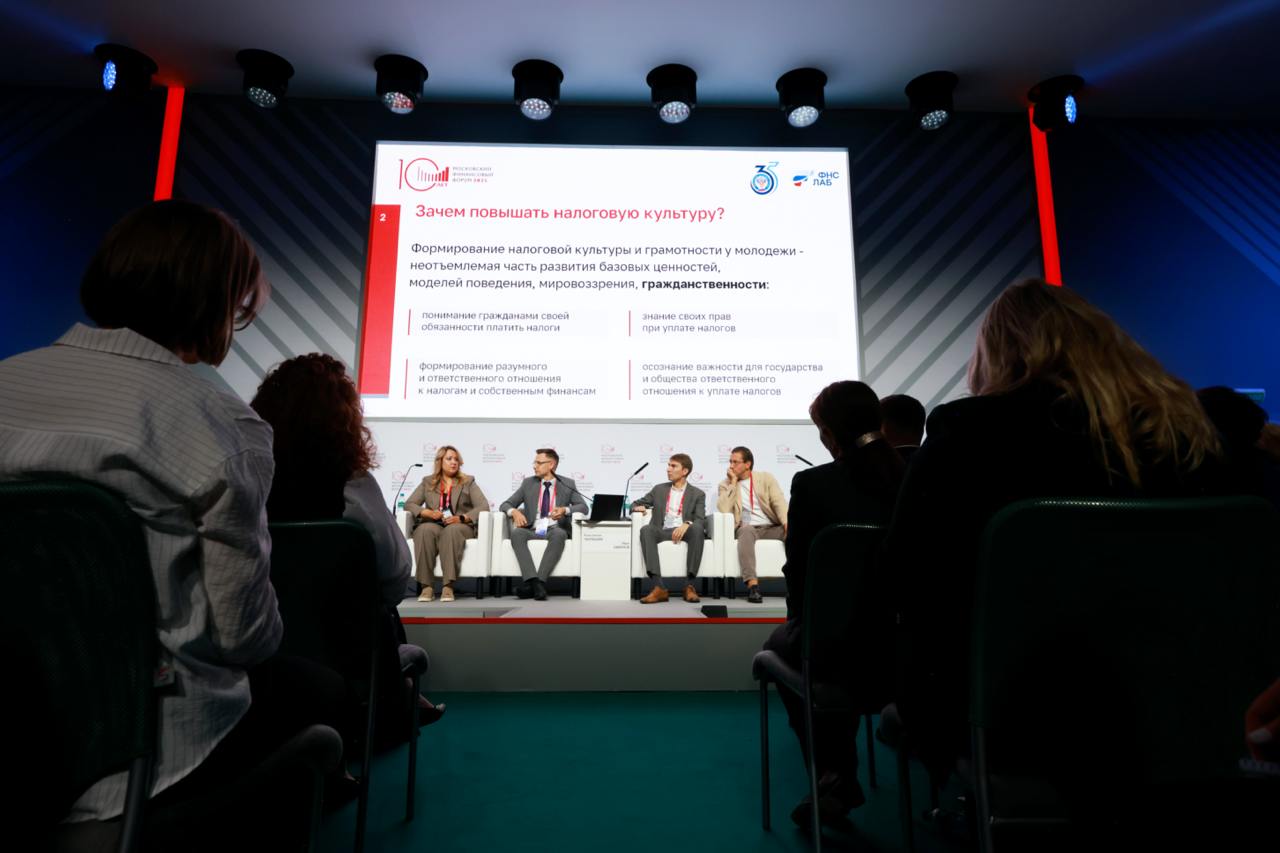
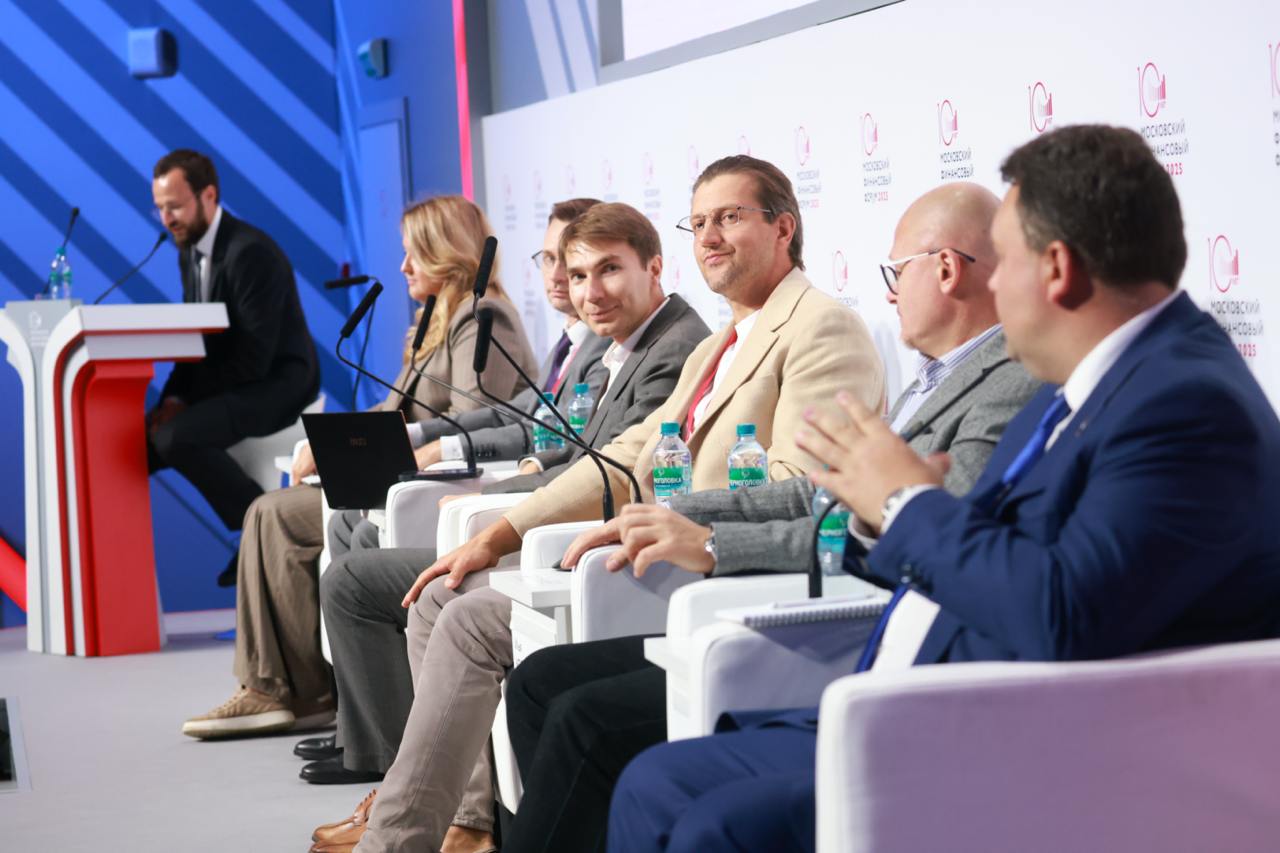
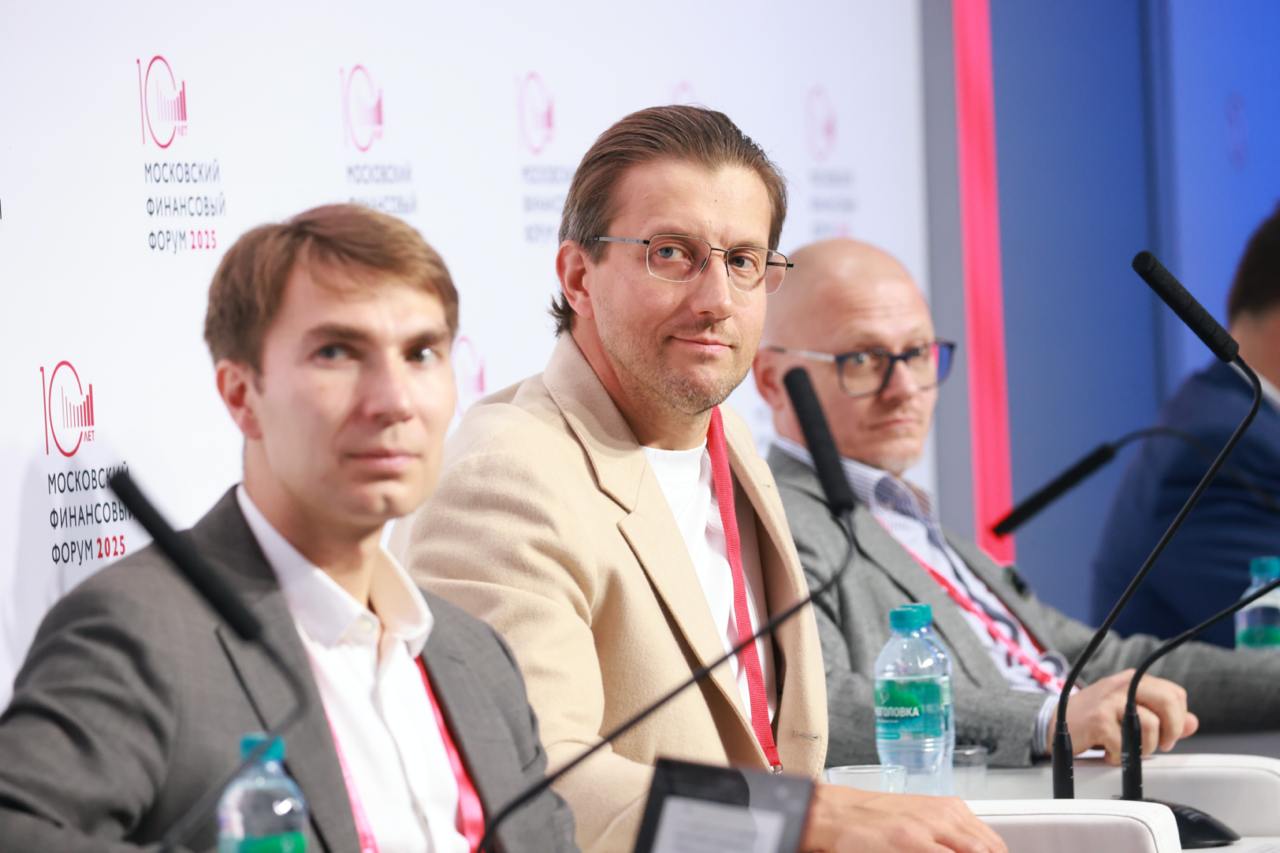
A panel session titled "Tax Culture and Literacy: The Present and the Future of Society," organized by the Federal Tax Service of Russia, was held as part of the Tenth Moscow Financial Forum.
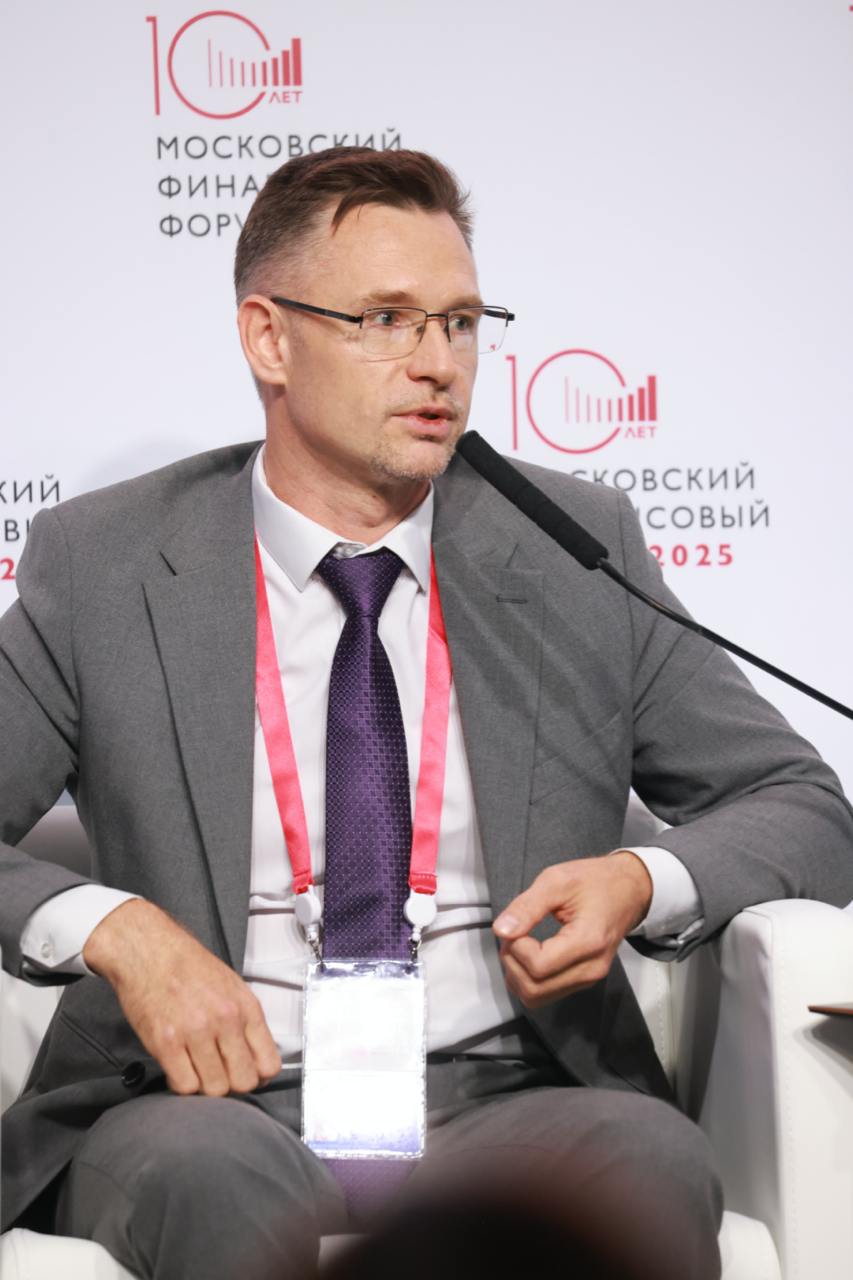
The discussion included the following participants: Ivan Yefremov, Rector of the Academy of the Federal Tax Service (FTS LAB); Artyom Kiryanov, Deputy of the State Duma of the Federal Assembly of the Russian Federation; Ilya Kosykh, Member of the Public Council of the Federal Tax Service of Russia; Elena Udalova, Head of the Sociology Department at the ANO "Dialog" and Director of the "Weber" social survey agency; Konstantin Chekmychev, Deputy Head of the Federal Tax Service of Russia; Ilya Sheburakov, Deputy Director of the Higher School of Public Administration of the Presidential Academy; blogger Pavel Bagryantsev; and Dmitry Podolsky, Leading Expert at the Higher School of Public Administration of the Presidential Academy.
"It is necessary to raise the level of tax literacy, and it should be developed from childhood," stated the moderator of the discussion, entrepreneur Mikhail Grebenyuk, setting the tone for the conversation dedicated to enhancing knowledge and interest in the field of taxation.
The Deputy Head of the Federal Tax Service of Russia, Konstantin Chekmychev, spoke about how the agency is working to develop tax culture among citizens and businesses.
The discussion participants placed particular emphasis on youth outreach through "YuNGA" lessons in schools, themed sessions at children's summer camps, olympiads, and the All-Russian Tax Dictation.
"The most powerful tool for shaping tax culture is school," emphasized Konstantin Chekmychev, noting that the educational projects of the Federal Tax Service of Russia now cover the entire country and are becoming an important part of understanding the role of taxes in the state.
Ilya Kosykh, a member of the Public Council of the Federal Tax Service of Russia, agreed with him. He noted that tax literacy is built on contributing to the common cause and fostering trust, values that can be instilled through schools. However, even then, it would take a generation to fully collect all taxes. "We have 40,000 schools and 900,000 classrooms. How many people work in the tax service? 150,000? So, even if every single one of them went to schools, each would have to go six times a year just for one interaction with students... If we all decide to go back to school and start teaching, maybe in a generation we will have a tax culture," he emphasized.
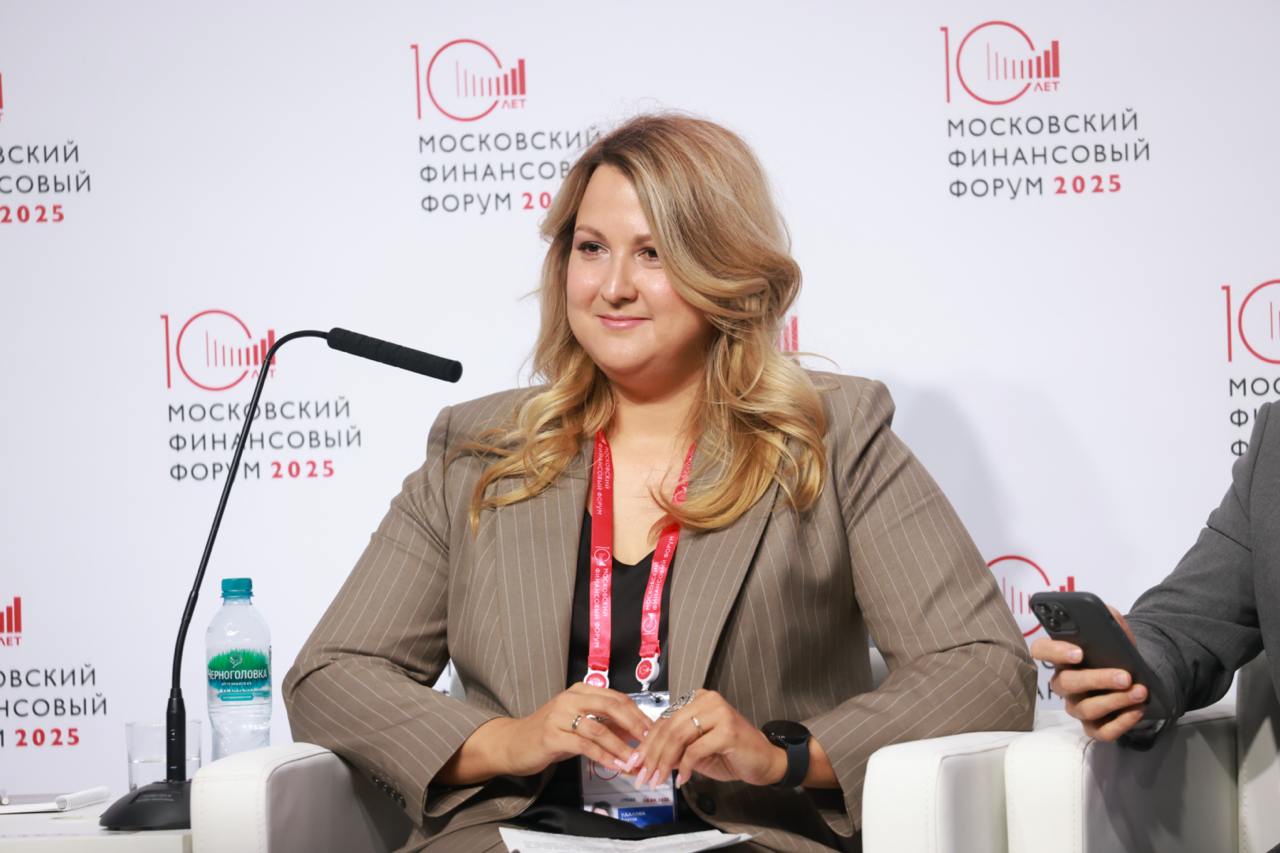
Elena Udalova, Head of the Sociology Department at the Autonomous Non-Profit Organization "Dialog," shared the results of a recent study. According to the findings, the majority of Russians rated their financial literacy quite low. "This is a very accurate indicator. People understand that they need to continually update their knowledge of tax literacy to realize their potential and achieve financial success," she noted.
Artyom Kiryanov, a deputy of the State Duma of the Federal Assembly of the Russian Federation, emphasized the importance of conveying to citizens the idea that paying taxes is an act of patriotism. "Even if you simply pay your taxes, you are already contributing a part of yourself to your homeland and its future achievements," he stressed.
Ivan Yefremov, Rector of the FTS LAB Academy, stated that the key vector of development for tax system employees is the value of service. "We train our staff to be not only qualified specialists but also ambassadors of a culture of trust," he stated.
The participants affirmed that fostering a tax culture is a shared responsibility of the state and businesses, education, families, and society. The Federal Tax Service of Russia will continue to develop digital solutions and educational initiatives, creating the conditions for sustainable development of a tax culture in the country.