

September 18, 2025
At the MFF 2025, prospects for the development of the Russian stock market were discussed, and the upcoming listings of companies with state participation were announced

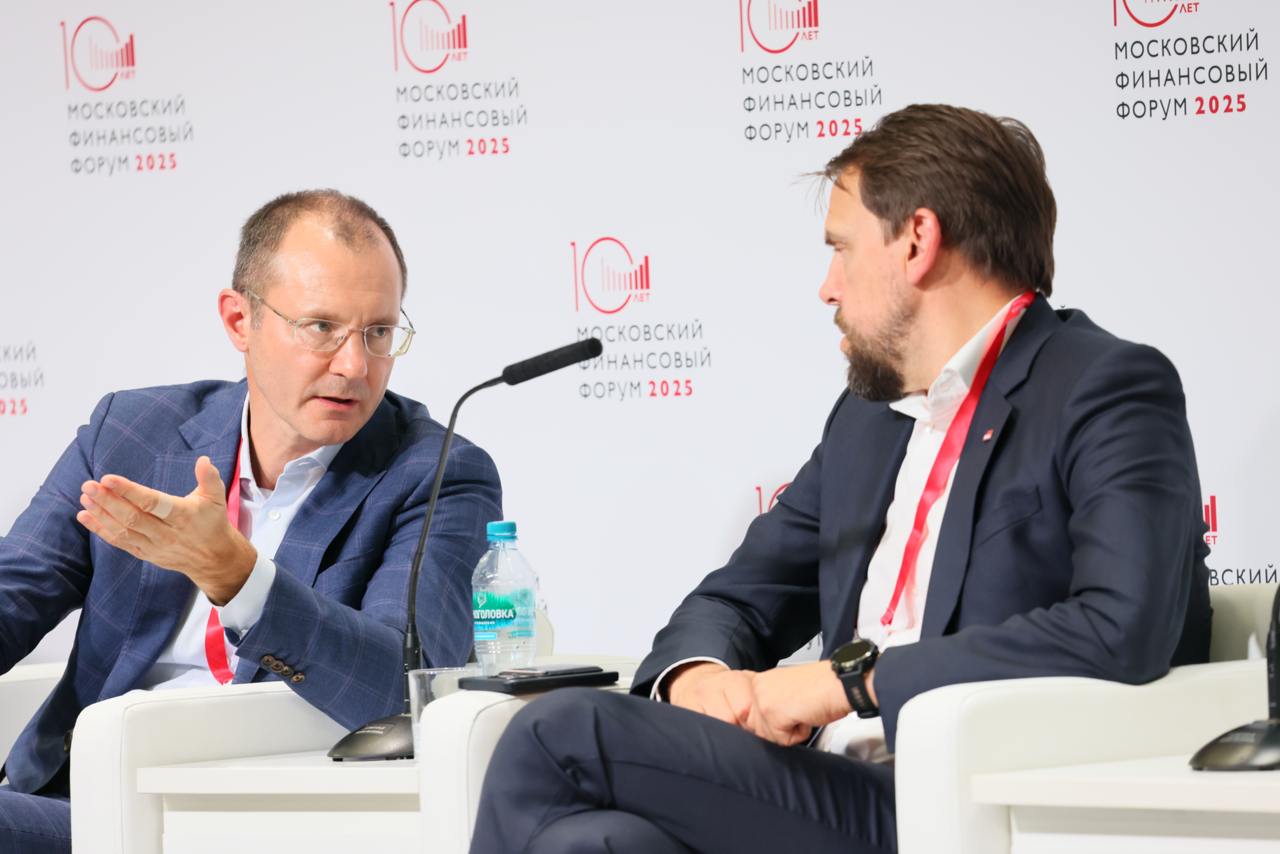
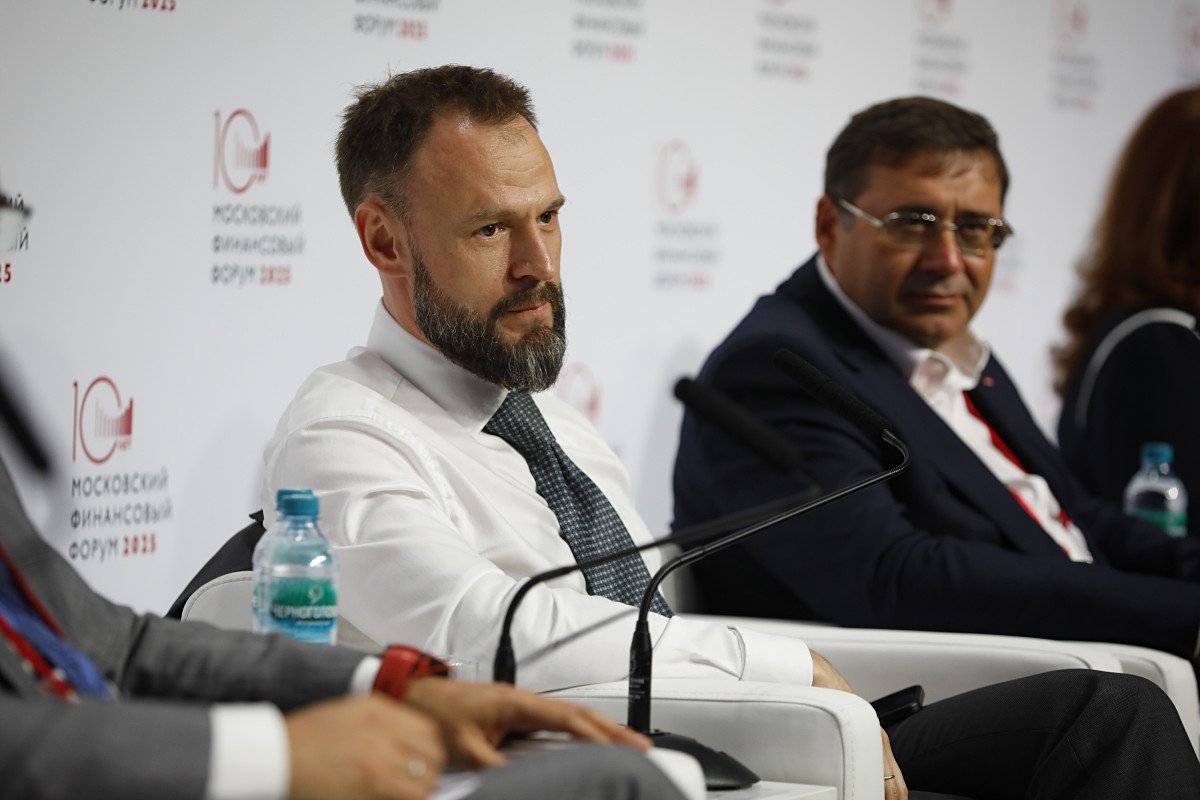
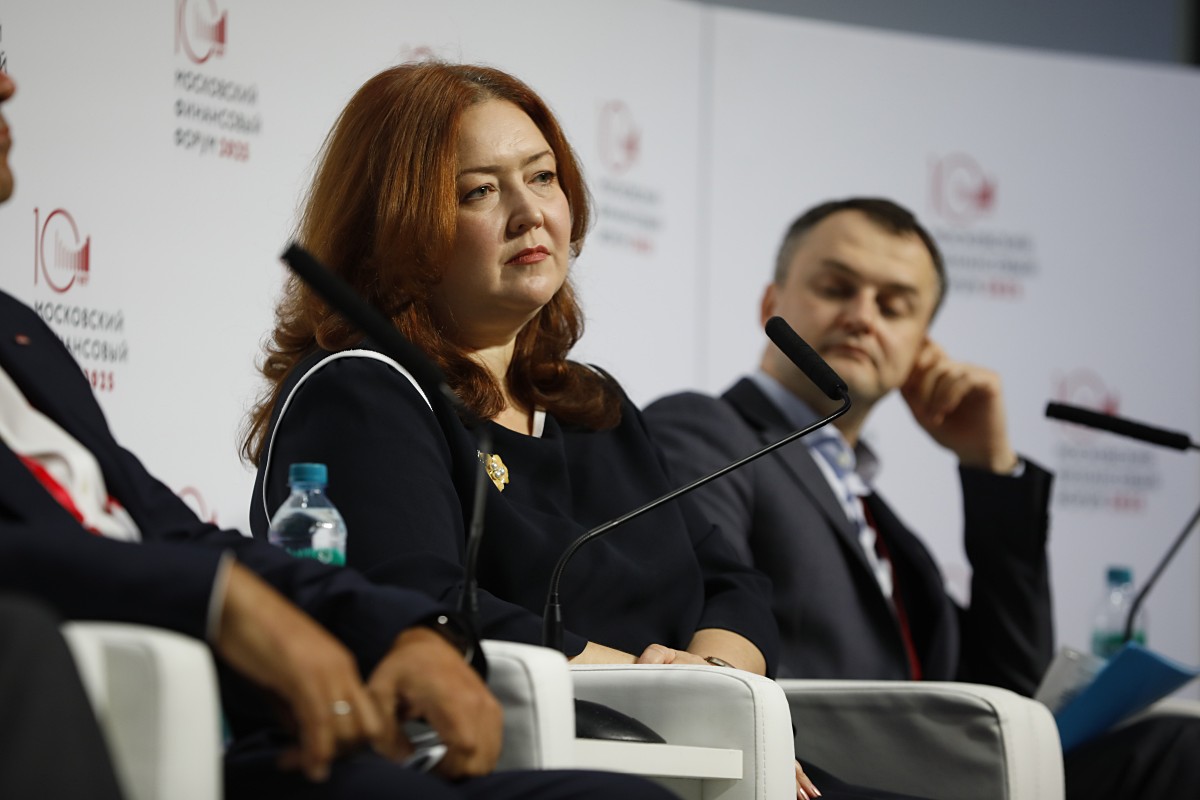
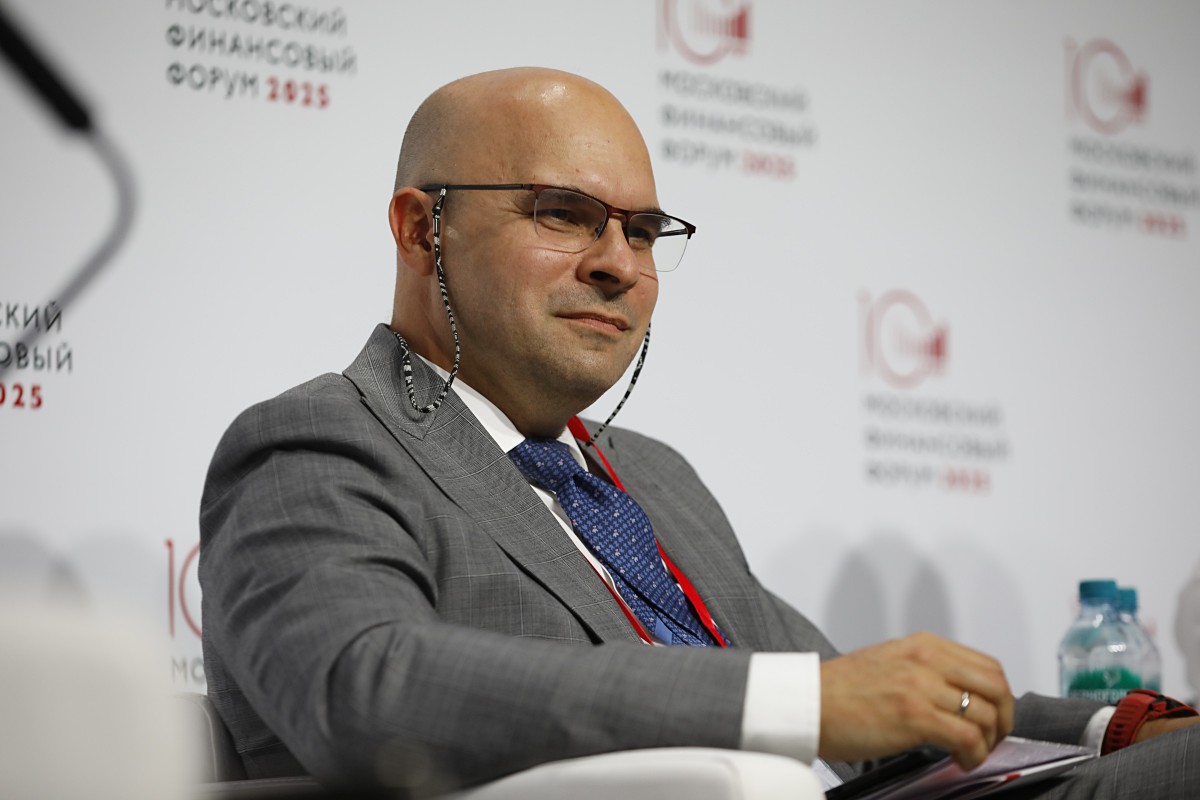
Participants of the session "The Stock Market as a Source of Economic Growth: Creating Conditions for Increasing Capitalization and Long-Term Investments" discussed the current performance of the Russian stock market, progress toward fulfilling the President's decree to double its capitalization to 66% of GDP by 2030, and announced the upcoming IPOs of companies with state participation.
Opening the session, Deputy Minister of Finance Ivan Chebeskov outlined the tasks for developing the financial market set by the President and the Government. According to the deputy minister, the stock market's capitalization relative to GDP needs to increase, hence the industry and regulators need to collaborate on addressing this issue while taking into account the experience of foreign countries.
First Deputy Governor of the Bank of Russia Vladimir Chistyukhin noted that the goal of increasing the market's capitalization to 66% of GDP is ambitious, as the current figure stands at only 26.5%.
"In earlier discussions, many colleagues emphasized that reaching the 66% target through natural growth would be very difficult. To provide some examples and figures, over the past 10 years, from 2014 to 2024, approximately 1 trillion rubles worth of shares were issued in the market. In the next five to six years, we need to place 7-9 trillion rubles, depending on external conditions. <...> What is the current situation with placements? Curiously enough, there is market participant interest. In 2024, there were 19 public equity offerings, the highest number in a very long period," stated the First Deputy Governor of the Central Bank.
Vladimir Chistyukhin also outlined three points that, in his opinion, will help propel the capital market forward. First, creating sufficient "incentives" for issuers. At the same time, he believes much has already been done for retail investors. Second, examining what needs to be done for institutional investors. This involves addressing the issues of corporate governance, dividend policy, and the protection of minority shareholders' rights. Third, the entry of companies with state participation into the market.
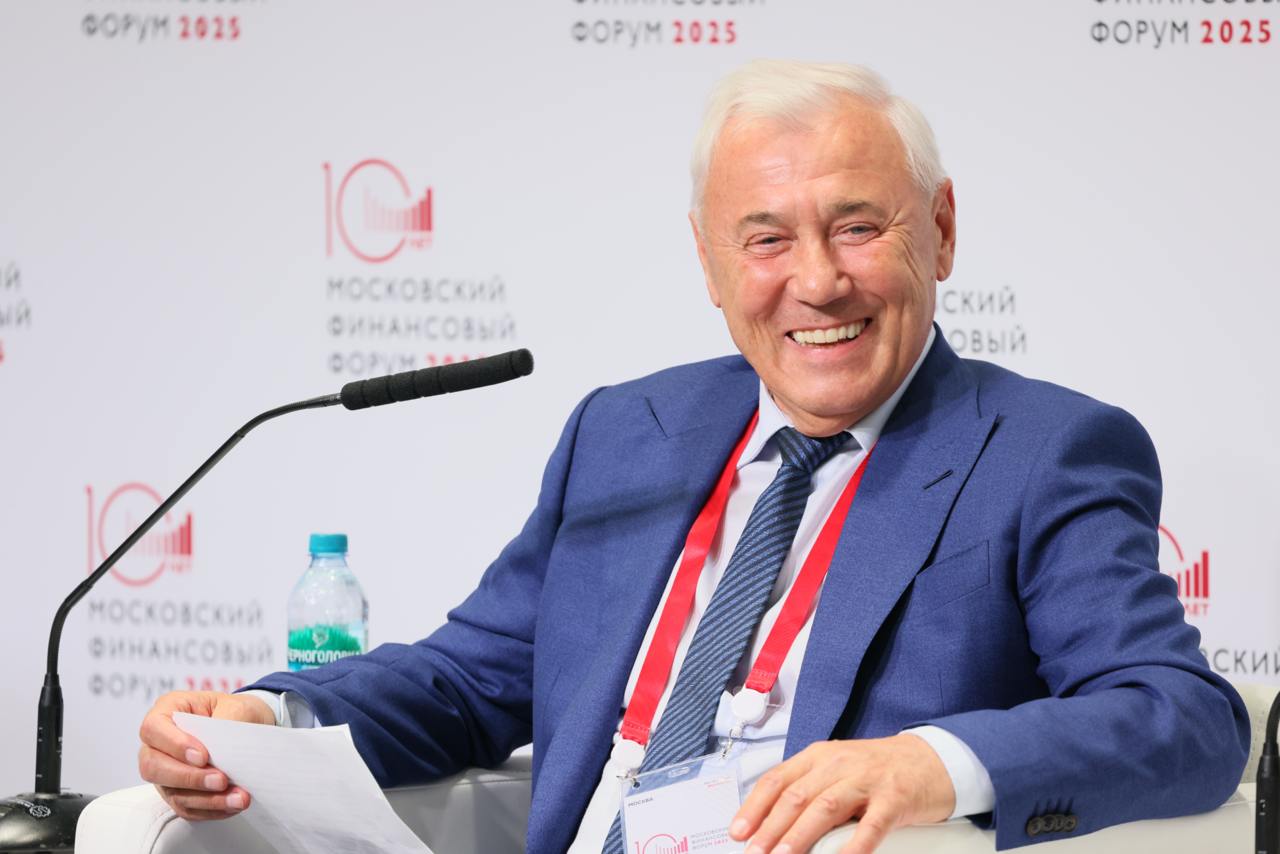
When commenting on the IPOs of companies with state participation, Anatoly Aksakov, Chairman of the State Duma Committee on the Financial Market, emphasized the important role of the Ministry of Finance in "providing direction" to large companies that could potentially enter the market. At the same time, he addressed the accumulated issues that are hindering the listing of our organizations. "These include, for example, tax incentives for long-term investments... According to the law, those who invest for a period of five years or more are exempt from personal income tax. However, if they engaged in certain transactions with these securities within the five-year period—for instance, using the securities as collateral for loans or employing them in repo transactions—then these incentives are immediately revoked. Naturally, it is pointless to simply 'hold onto securities' for five years without actively using them in economic transactions. Therefore, it is necessary to preserve this tax incentive for five-year securities. A draft law has now been prepared, and we will review it in the near future," noted the head of the Duma committee.
According to Viktor Zhidkov, Chairman of the Executive Board of Moscow Exchange PJSC, going public through an IPO should become a "standard" for every entrepreneur. He emphasized the fundamental need for Russian entrepreneurs to "at least consider" the possibility of entering the market.
"So that not just the 500 companies we assess as capable of conducting an IPO, and roughly 50 ready to do so in the near future, but tens of thousands of companies and their owners considered this method as a foundation for their growth," emphasized Zhidkov.
Deputy Minister of Finance of the Russian Federation Alexey Moiseev announced that the Ministry of Finance expects the IPO of DOM.RF to take place in late November. "We are absolutely convinced that DOM.RF will enter the market at the end of November. Everything I see suggests that it will be a successful transaction," he said.
He stated that the ministry expects three companies with state capital to go public by the end of the year. He also announced that within the next few hours, he would sign the documents to finalize the deal reducing the state's stake in VTB to 50% plus one share.
The deputy minister separately addressed the issue of low dividend yield of the Russian market, suggesting that investing in companies with state participation could be a solution. "Such companies should pay the maximum possible dividends, and this, in my opinion, is one example of why companies with state participation are a good investment target," said Moiseev.
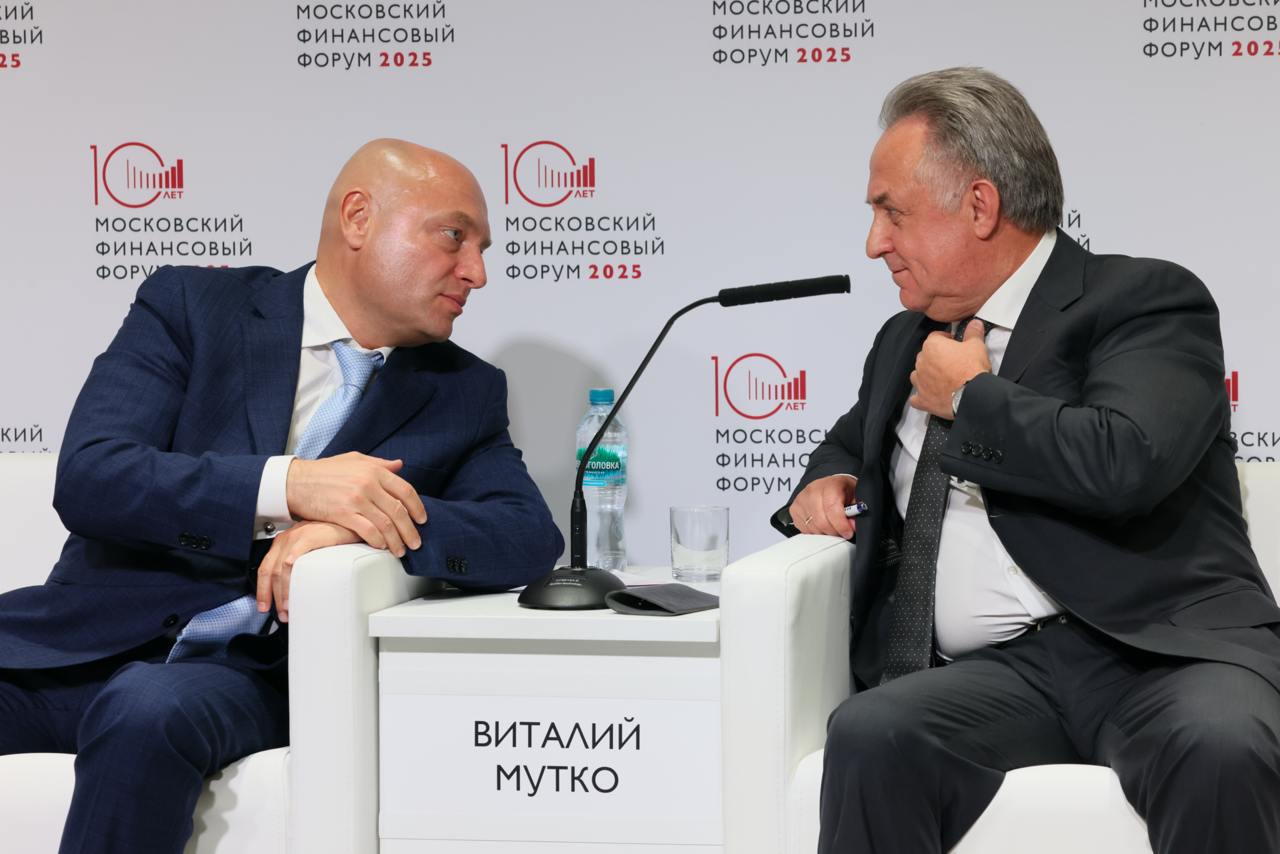
Another speaker at the session was Vitaly Mutko, General Director of DOM.RF PJSC, who addressed, among other things, the topic of IPOs for companies with state participation as an incentive for management motivation. Mutko called for increasing trust in the market, becoming "truly open," and establishing "standards" for independent board members. "Perhaps the Moscow Exchange could create some kind of standard, a list of independent directors who would inspire trust among the public, businesses, and investors. Currently, there are very few such authoritative figures, but they need to be cultivated in the business world," suggested the head of DOM.RF.
Other participants in the session included: Sofia Malyavina, General Director of the National Priorities ANO; Alexander Galushka, President of the Crystal of Growth Foundation; and Maxim Provorov, General Director of Sogaz-Life Insurance Company LLC.