

September 18, 2025
Digitalization of financial control was a topic of discussion at the Moscow Financial Forum
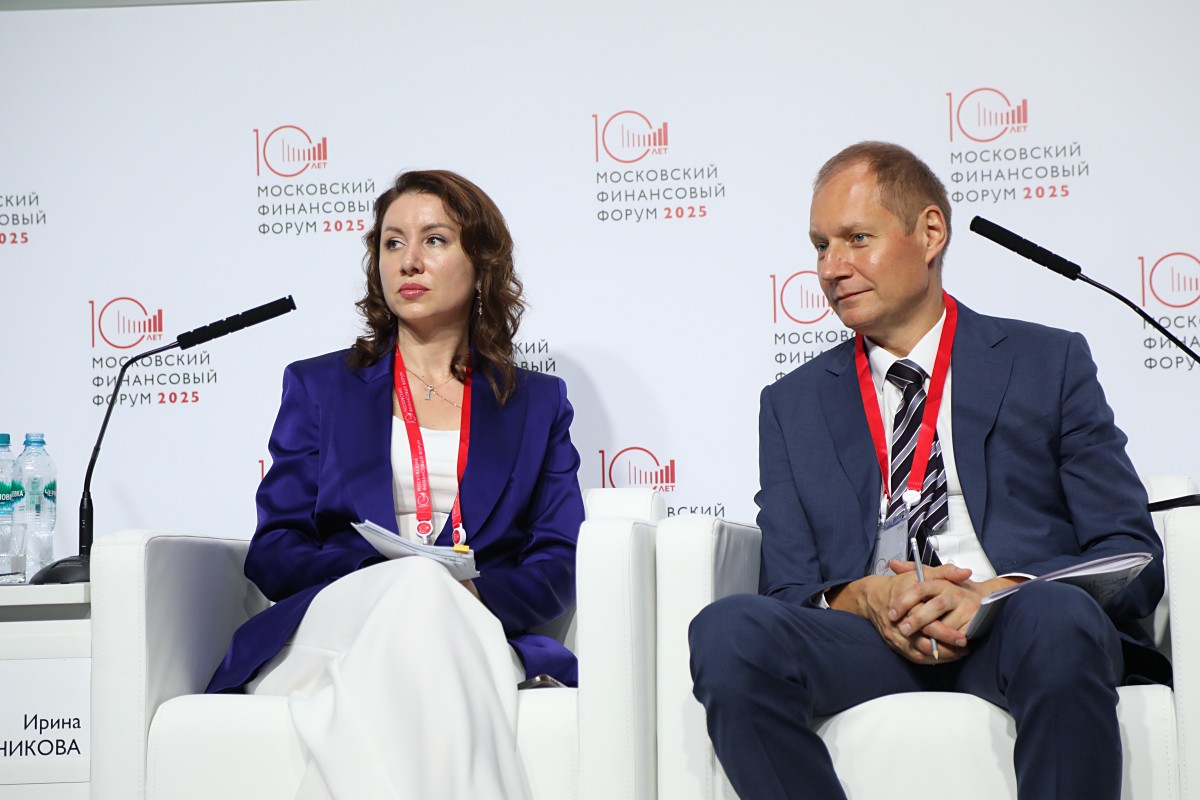
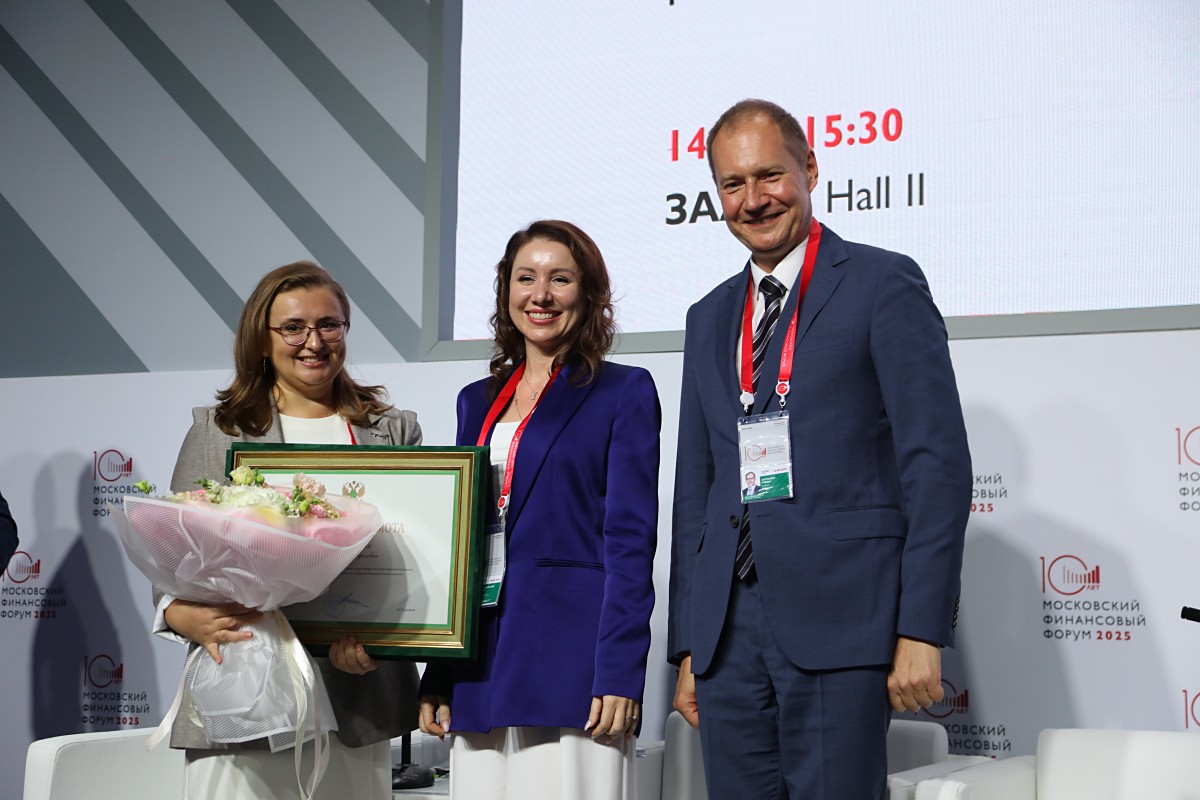
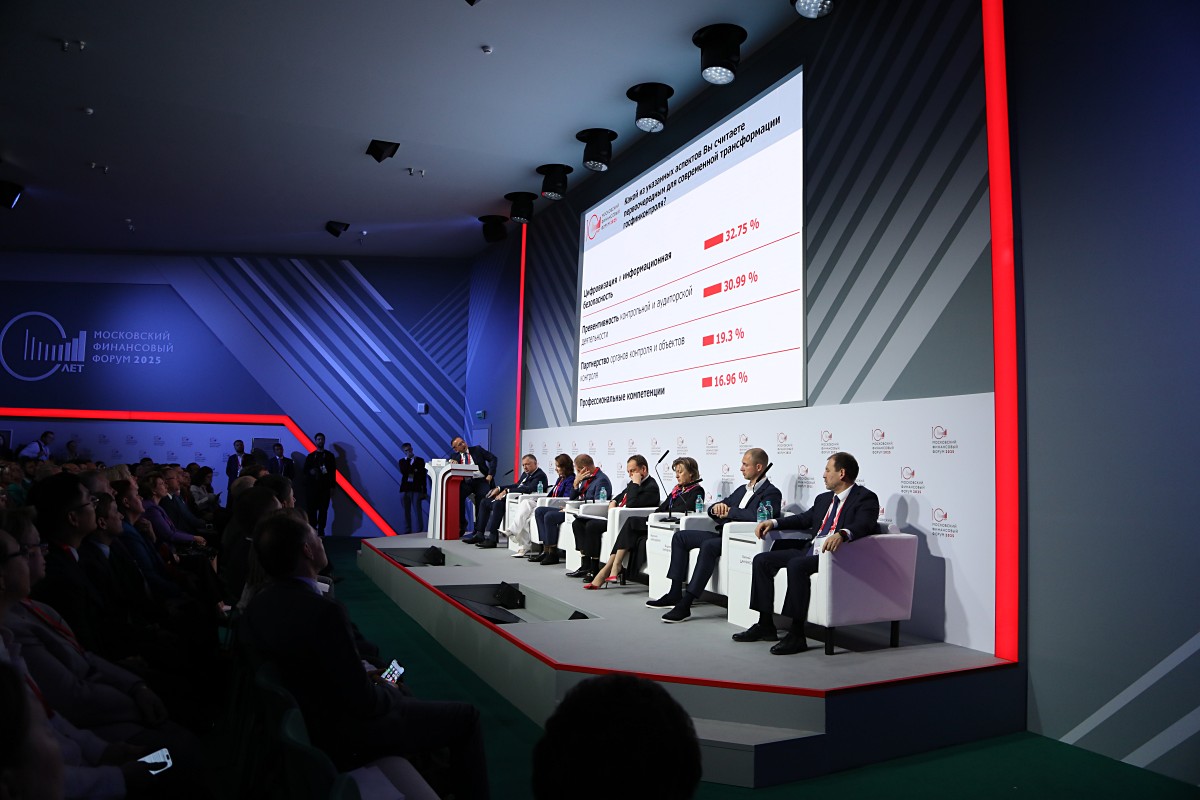
Participants of the session "Digital Financial Control as a Part of Client-Centric Public Governance" at the Tenth Moscow Financial Forum discussed the transformation of financial control in the digital age and the innovations designed to ease the work of government agencies and simplify companies' interactions with controllers.
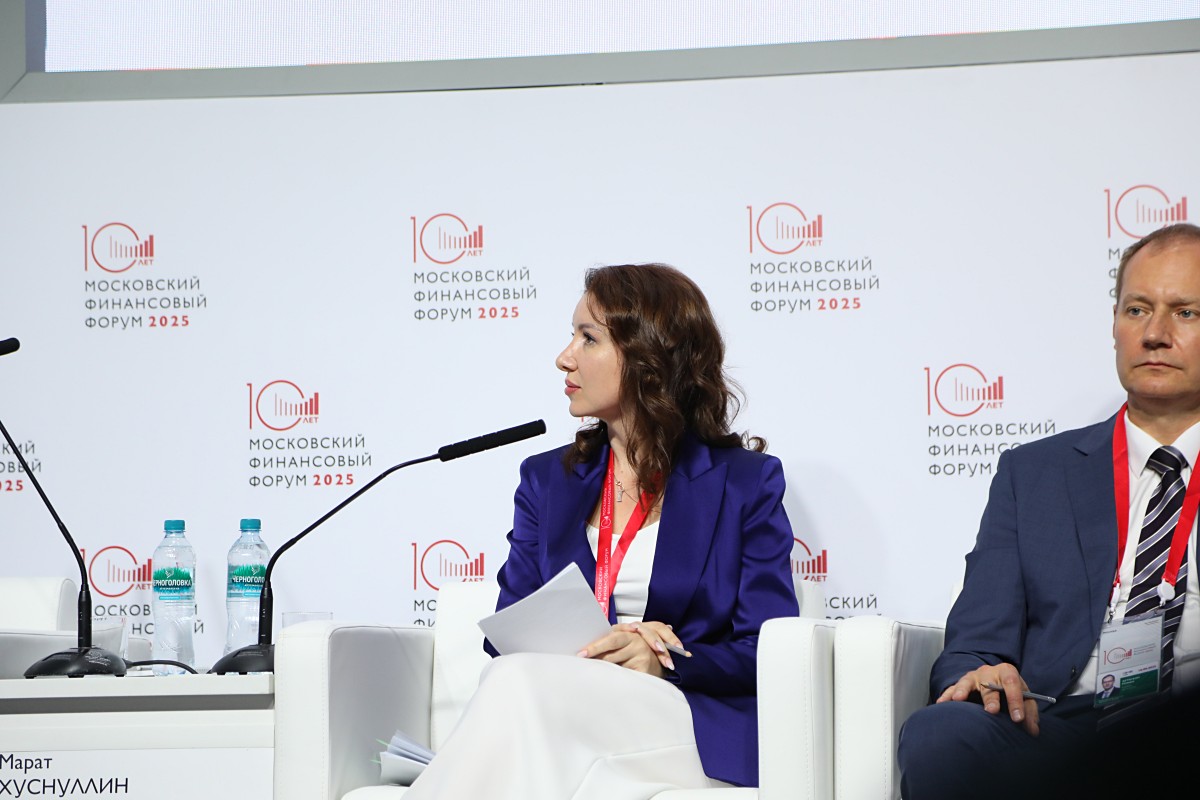
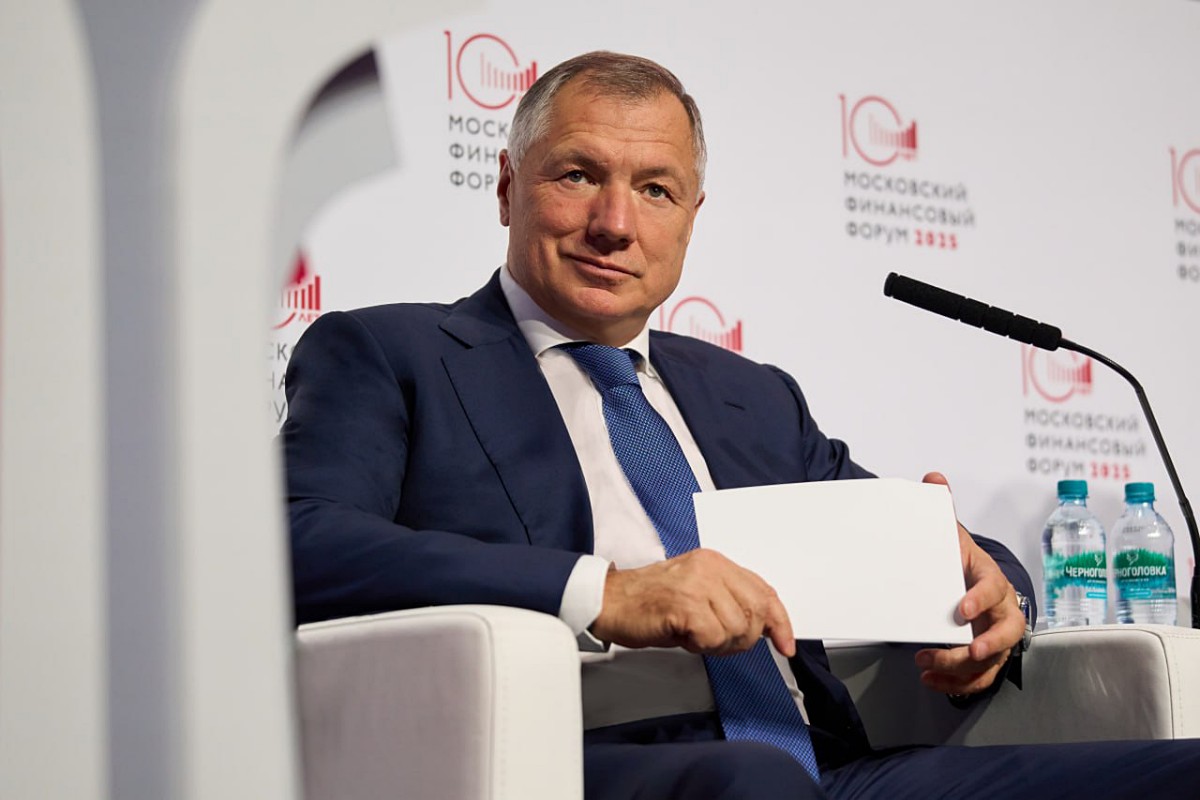
"The President has set a strategic task to improve the quality of life for citizens. Achieving this goal is a key priority and the core purpose of our work. To successfully implement it, we must ensure coordinated work of all participants of the process. Success is only possible when we act as a single team. A vivid example of such effective collaboration is the work in the new regions, where, together with the Treasury, an effective system for controlling budgetary funds was established in a short time and under non-standard conditions," explained Marat Khusnullin, Deputy Chairman of the Government of the Russian Federation.
According to Irina Okladnikova, First Deputy Minister of Finance of the Russian Federation, the main innovations in this area have been preemptive state control over spending of budgetary funds and controller's invisibility until a violation is detected: "These are the fundamental innovations that have completely overturned the entire vision of state financial control, and financial control in principle. And they were introduced very timely."
She noted that the preemptive nature of the controller's work lies in preventing obvious violations and ensuring the achievement of necessary goals and objectives, rather than in finding those who to blame. She added that preemptive control has prevented the inefficient expenditure of approximately 1 trillion rubles, and these funds can now be allocated to current, more important tasks.
General Director of VK Corporation Vladimir Kiriyenko spoke about the creation of a tax monitoring service designed to simplify the work of financial control.
"When creating the Control Monitoring project, we relied on the experience of Tax Monitoring, which we implemented and provide to companies. We saw an evolution in the attitude towards this kind of technology. Initially, companies were hesitant to provide tax authorities with direct access to their primary accounting records, and consequently, to the potential identification of shortcomings. However, over several years, the business community's position has changed; companies see a real reduction in their burden and achieve significant benefits. More than 170 companies from 12 different economic sectors use the VK Tax Compliance tax monitoring service," he said.
As Vladimir Kiriyenko noted, VK applies the principle of "unobtrusive control," where auditors interact only with violators. He explained that 95% of traffic shows no signs of violation, and the digital system allows for information to be requested in a "shadow mode" without disturbing the user. Furthermore, digital systems enable the creation of a clear and understandable process for users to interact with regulatory authorities.
"We are confident that technology can reduce the burden on people and direct their attention to more important processes. As part of the pilot project for Control Monitoring, we already see that the system will help reduce the time a controller spends on data verification. Our solution, which is designed based on the rules set by the Treasury, handles this easily. At the same time, the system is flexibly customizable for specific tasks and can be scaled. The digital Control Monitoring will reduce the controller's workload and increase the efficiency of their interaction with economic entities," emphasized Vladimir Kiriyenko.
Roman Artyukhin, Head of the Federal Treasury, elaborated on the digitalization of the budgetary process. According to him, the level of digitalization in the area of accounting based on primary documents already exceeds 90%.
Roman Artyukhin noted that artificial intelligence, leveraging digital data, can identify risks, assess the severity of violations, draw the controller's attention to potential breaches, and in some cases, even draft procedural documents. He emphasized that even with digitalization, the human auditor will remain the primary agent in the field of financial control.
"Without the development of digital tools to increase labor productivity, we cannot survive, as was discussed today at the main plenary session. And, of course, this means artificial intelligence. It must, without a doubt, operate within a legal framework and be a constant assistant to the controller," he added.
Moscow Government Minister and Head of the city of Moscow's Chief Control Department, Evgeny Danchikov addressed issues regarding the legal regulation of the use of artificial intelligence.
"We can apply artificial intelligence and try to work with generative models as much as we want, but our legislation does not regulate this," he said, emphasizing the high level of responsibility for decisions in the public sector and, therefore, the need to legalize digital tools.
.JPG.resize_0_1200.jpg)